Why Keys Snap — and Why the Lock Type Matters
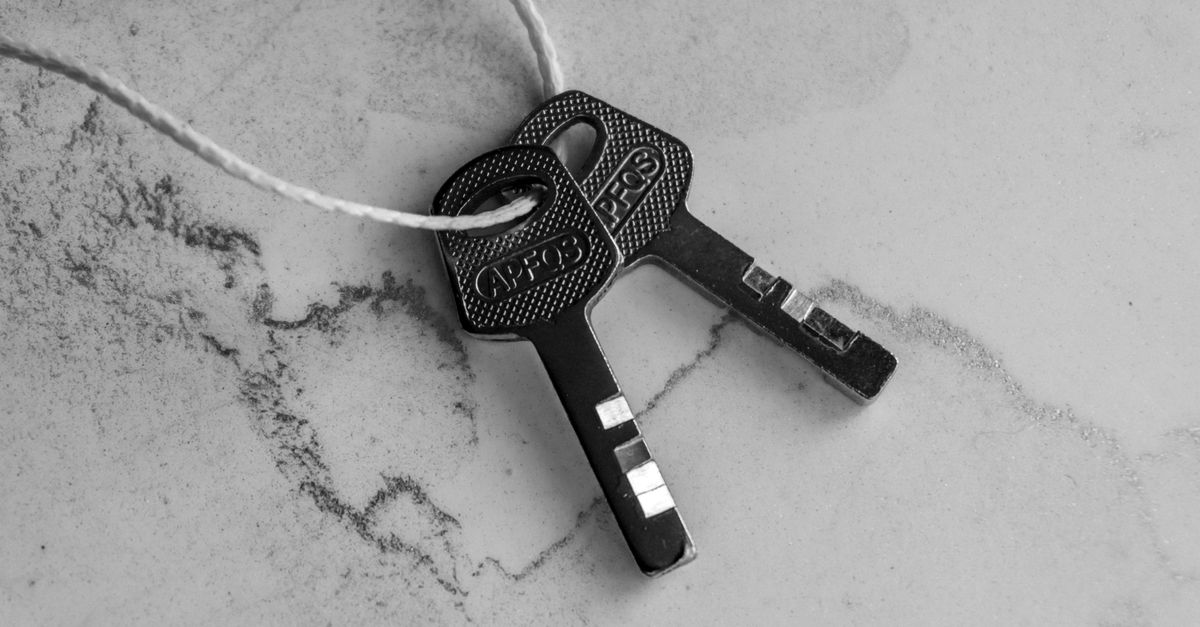
Keys fail for predictable reasons. Brass wears thin over years of use, particularly at the bow — the part you grip — where metal fatigue accumulates. A key that has been bent slightly, perhaps by being sat on in a pocket, is at real risk of snapping under the torque of turning a stiff or misaligned lock. Cold weather makes brass more brittle, which is why winter call-outs for this kind of problem are noticeably more common. In older properties around Abbey Fields and the Castle quarter of Kenilworth, door furniture can go decades without servicing, and locks that are dry, corroded, or slightly out of alignment put far more stress on a key than a well-maintained mechanism would.
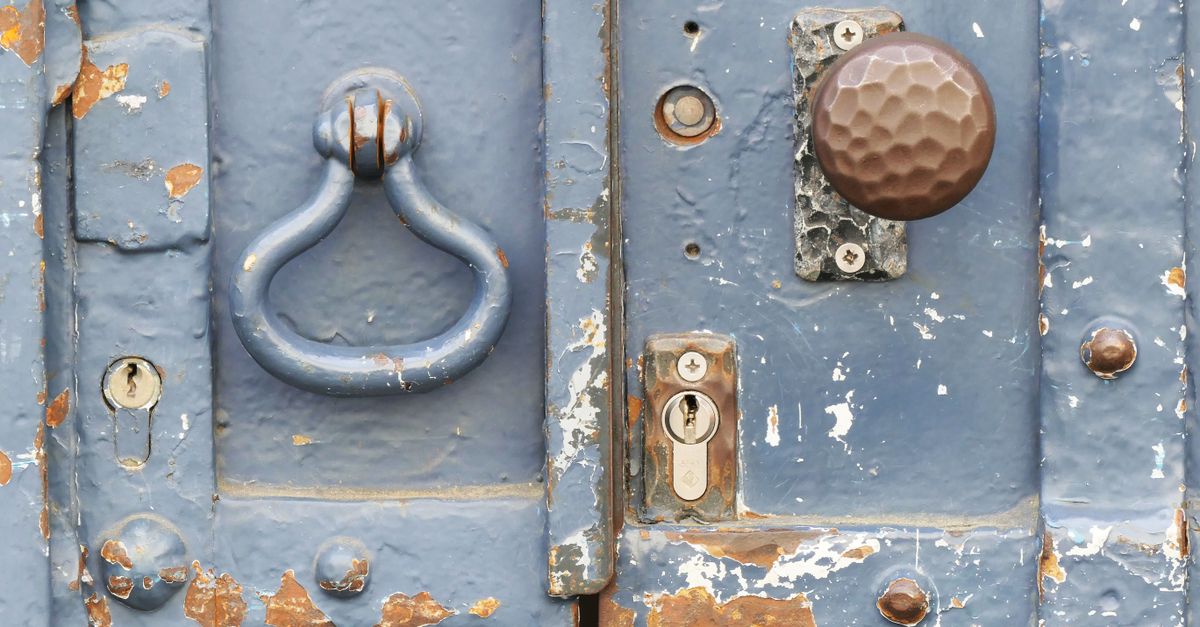
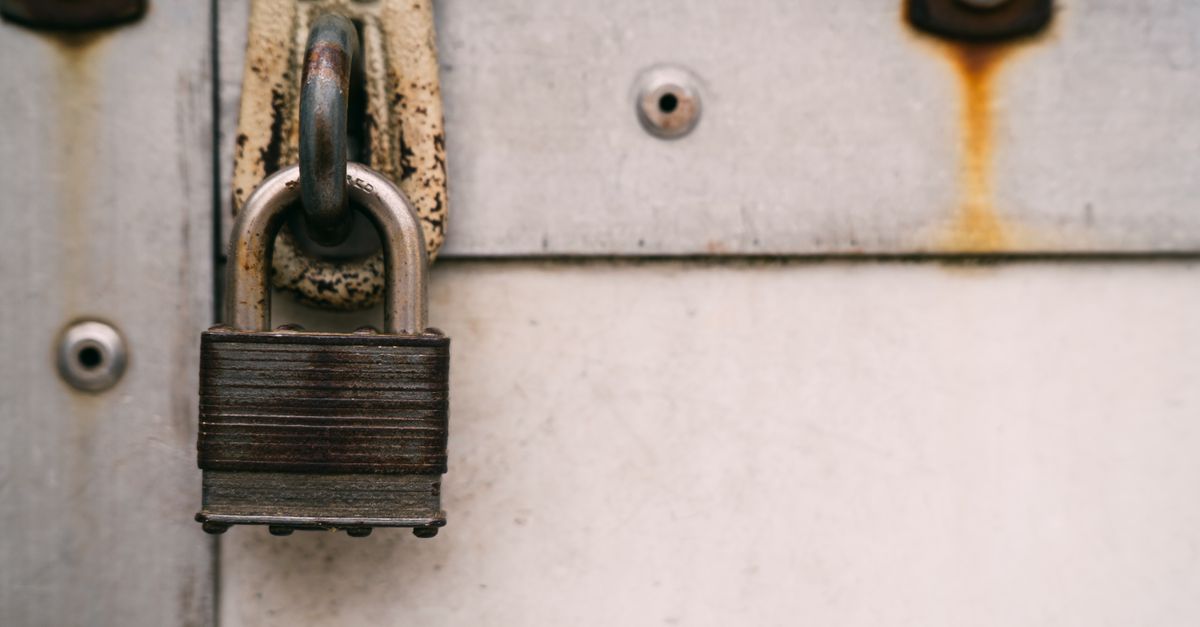
The lock type determines how difficult extraction will be and which approach a skilled technician will take. A Yale-type nightlatch — the spring-loaded latch most people think of as their 'front door lock' — has a relatively open keyway, so a fragment lodged near the front can sometimes be coaxed out with specialist extractor hooks. A British Standard 5-lever mortice deadlock is deeper and more complex; the broken piece may be wrapped around a lever, requiring a methodical approach to avoid displacing levers and jamming the mechanism permanently. Euro cylinders, common on uPVC and composite doors throughout Kenilworth's newer housing developments, present their own challenge: the tight keyway leaves very little working room, and the pin stacks above the shear line can grip the broken key firmly. Knowing which tool and which technique suits each lock type is what separates a trained locksmith from a well-meaning attempt with a DIY kit.