How a Bedroom and Internal Door Lockout Actually Works
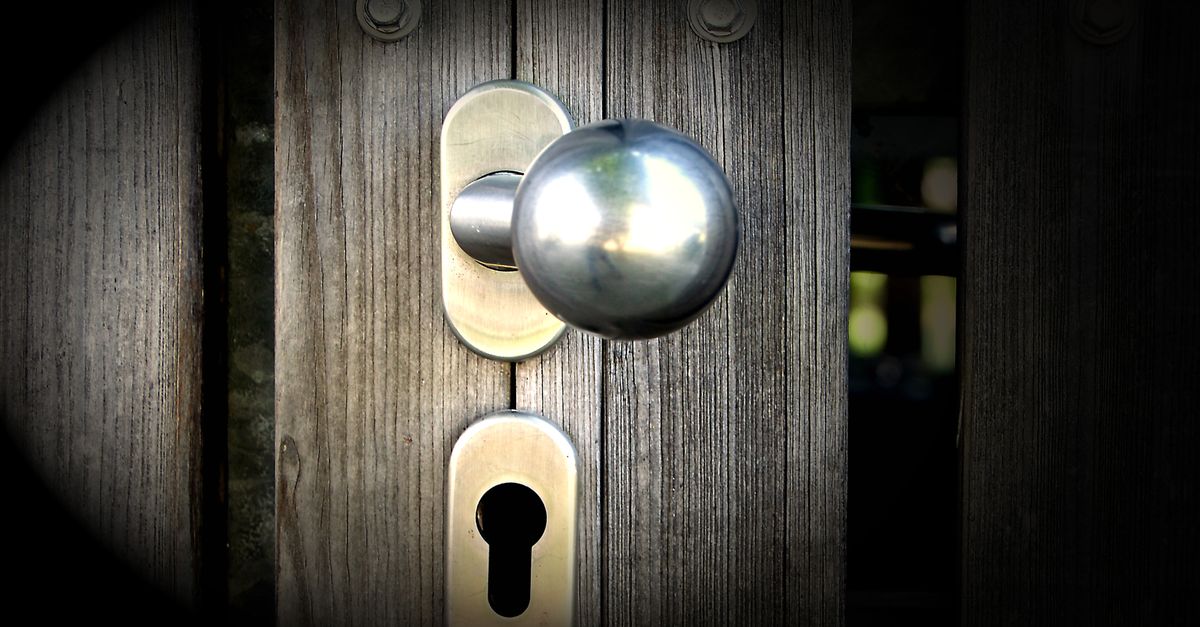
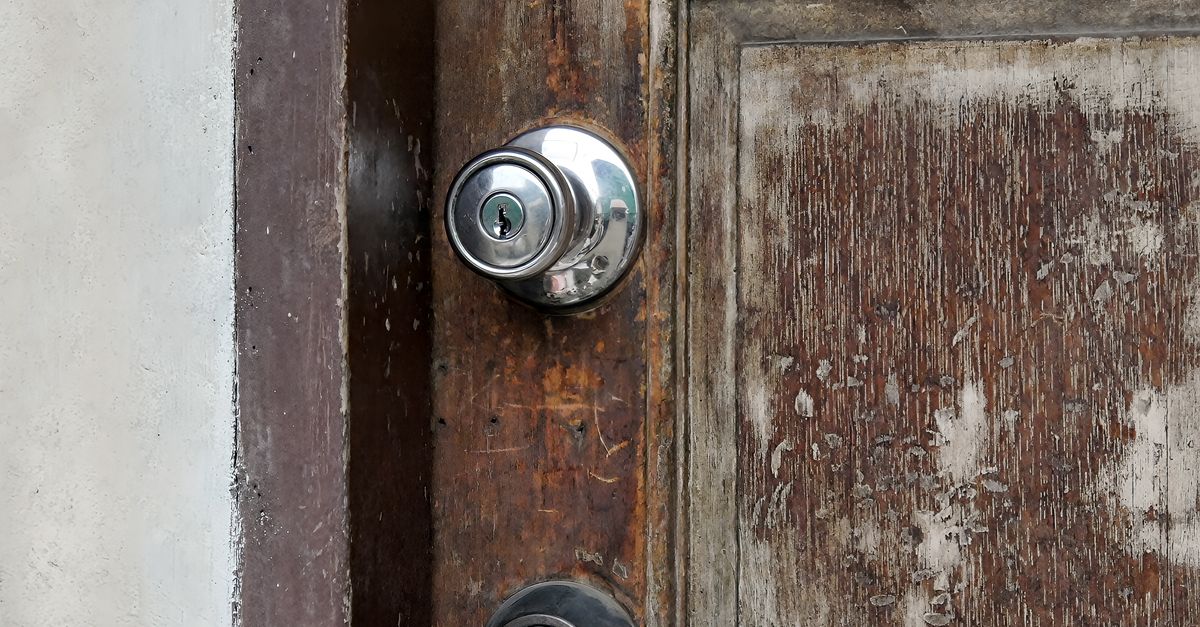
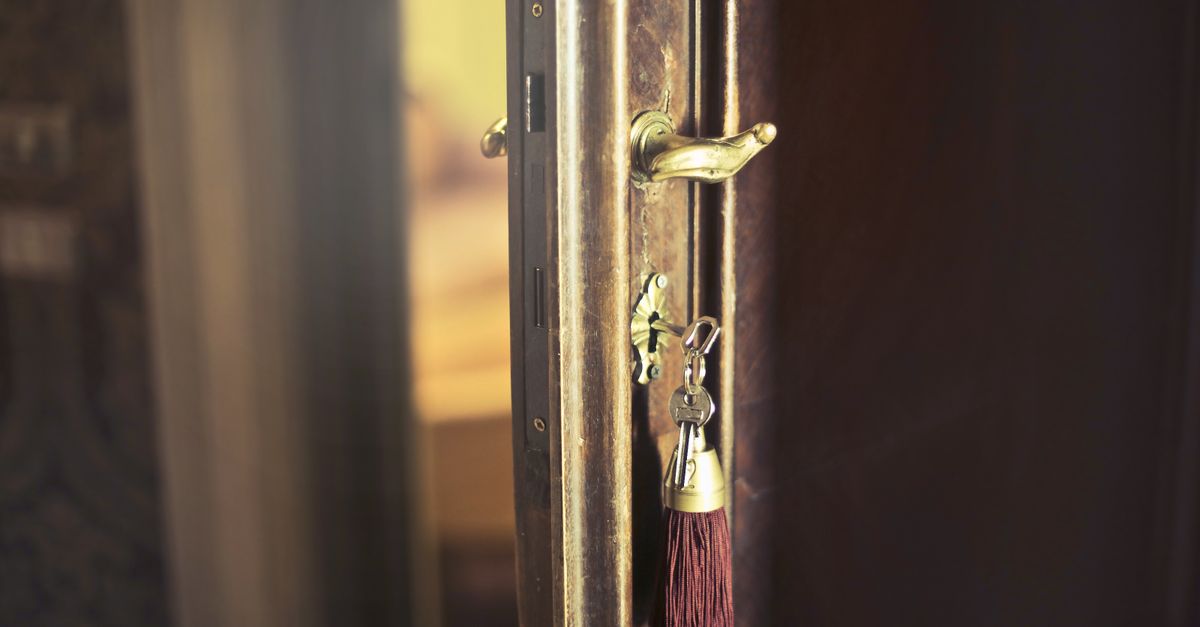
Most internal doors in UK homes use one of two basic locking mechanisms. The first is a simple privacy bolt or snib — a small turn-button or push-button on the inside of the door, common on bathroom and toilet doors. The second is a small keyhole mortice lock, often found on older bedroom and study doors in Victorian and Edwardian properties. Neither type is designed for high security; they exist purely to give occupants privacy. That design characteristic is actually useful in an emergency, because it means a skilled locksmith can usually open these doors without drilling, cutting or breaking anything.
What matters is reading the situation correctly before touching anything. Our technicians assess the door type, the frame condition, whether the door opens inward or outward, and the exact locking mechanism before deciding on a method. This methodical approach is why damage-free opening is achievable in the overwhelming majority of bedroom and internal door lockout calls we attend. If, in a rare case, some minor work is unavoidable, we explain that clearly before we start.